

Have a Question? Give us a call anytime
(978) 600-1991
Media Room
Premier Cleaners Shares Expert Guide on Removing Candle Wax Safely
Friday, January 16th, 11:15 AM

New Press Advisory Explains How to Protect Fabrics From Candle Wax Damage
Westford, United States - January 15, 2026 / Premier Cleaners /
Premier Cleaners Issues Advisory on Safe Candle Wax Removal From Fabrics
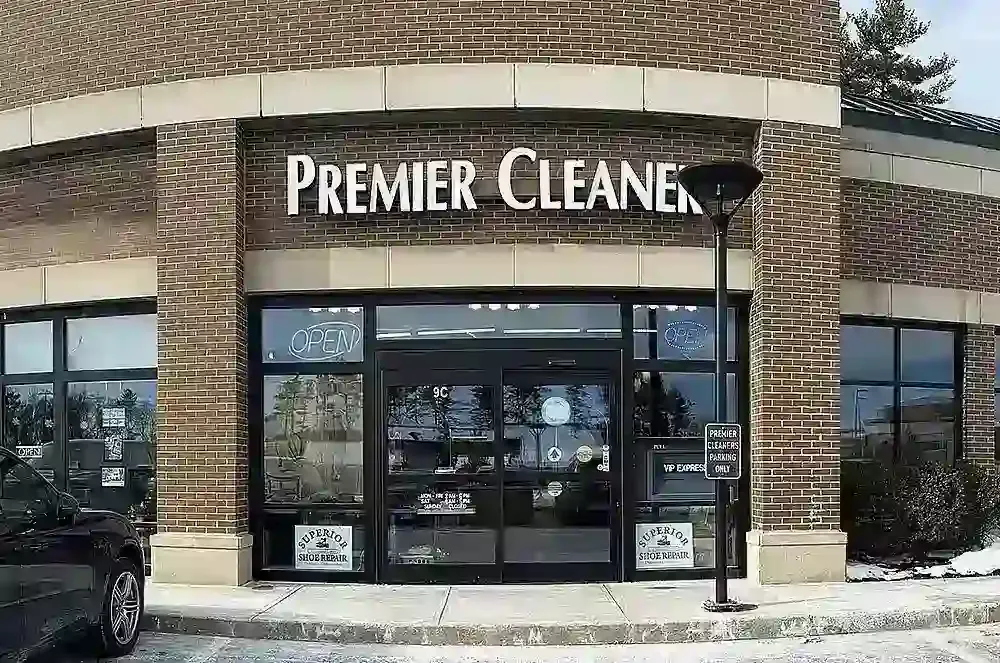
Westford, MA — Premier Cleaners, a professional dry cleaning service based in Westford, Massachusetts, has released a detailed fabric-care advisory explaining how to properly handle candle wax spills on clothing and table linens without causing permanent damage.
Candle wax differs from typical liquid stains because it rapidly changes from a hot liquid into a hardened solid that grips fabric fibers. According to Premier Cleaners, reacting too quickly or using incorrect techniques can spread the wax or force oils deeper into the material, making removal far more difficult. The advisory outlines professional best practices to help consumers protect their garments and linens while knowing when expert dry cleaning is the safest solution.
Understanding Why Candle Wax Requires Special Care
Wax Changes Texture and Behavior as It Cools
Premier Cleaners explains that unlike water- or food-based spills, candle wax hardens as it cools. When treated improperly while still warm, wax behaves like glue, spreading across fibers and increasing the risk of permanent staining. Rubbing, rinsing, or applying heat too soon can worsen the damage rather than solve it.
The company emphasizes that successful wax removal depends on patience, fabric awareness, and choosing methods appropriate to the material’s structure and finish.
Step One: Allow Candle Wax to Fully Harden
Why Waiting Is the Most Important First Decision
According to Premier Cleaners, the most common mistake people make after a wax spill is reacting immediately. Warm wax spreads easily and sinks deeper into fabric, while hardened wax becomes brittle and easier to control.
Allowing the wax to cool completely helps keep the stain contained and prevents unnecessary fabric damage. This pause is not inaction, but a deliberate step that improves the chances of clean removal.
Safe Ways to Harden Wax Faster
Premier Cleaners recommends the following methods to help wax harden without harming fabric:
Allow the wax to air cool for several minutes before touching it
Place small items, such as shirts or napkins, in a refrigerator or freezerBullet List 3
Lay the fabric flat to preserve its shape during cooling
Avoid folding or bending the fabric while the wax sets
These steps help ensure the wax remains on the surface rather than being pressed deeper into the fibers.
Step Two: Gently Scrape Away Surface Wax
Controlled Removal Prevents Fiber Damage
Once the wax has fully hardened, Premier Cleaners advises removing only the surface wax using a gentle scraping motion. Aggressive rubbing or pressure can rewarm the wax slightly, smearing residue into the fabric and increasing staining.
Brittle wax breaks cleanly when handled correctly, especially on woven fabrics or textured table linens.
Recommended Tools and Technique
To protect fabric integrity, Premier Cleaners suggests:
Using a dull-edged tool such as a spoon, credit card, or the dull side of a butter knife
Starting at the outer edges of the wax spot and working inward
Lifting wax flakes rather than dragging them across the surface
Gently brushing or shaking away loose pieces before proceeding
At this stage, the goal is bulk removal, not complete stain elimination.
Step Three: Address Remaining Oily Residue Based on Fabric Type
Why Wax Often Leaves a Stain Behind
Premier Cleaners notes that even after wax is scraped away, a faint dark or greasy mark often remains. This is caused by oils within the candle wax that linger in the fibers. Treating this residue incorrectly can permanently set the stain or damage delicate materials.
Proper treatment depends entirely on the fabric involved.
Fabric-Specific Treatment Guidance
Premier Cleaners recommends the following approaches:
For Washable, Durable Fabrics (Cotton, Polyester Blends)
Apply a small amount of mild liquid detergent directly to the stain
Allow it to sit briefly without scrubbing
Wash according to the care label
Air dry and inspect before applying any heat
For Delicate or Structured Fabrics (Silk, Wool, Formalwear, Lined Tablecloths)
Avoid at-home spot treatment
Do not use water or over-the-counter stain removers
Keep the area dry
Take the item directly to a professional cleaner
At this stage, Premier Cleaners stresses that professional dry cleaning is often the safest and most effective option.
Step Four: Avoid Heat at All Costs
Why Irons and Heat-Based Methods Cause Damage
Premier Cleaners strongly cautions against using irons, hair dryers, or other heat sources to melt wax out of fabric. Heat does not remove wax oils; instead, it bonds them to fibers, creating stains that resist future cleaning.
In addition to setting stains, heat can warp synthetic fibers, scorch natural fabrics, and damage embellishments such as lace or sequins.
Risks Associated With Heat Use
The advisory highlights several dangers of heat-based methods:
Heat permanently sets wax oils into fibers
Synthetic fabrics may melt or distort
Silk, satin, and wool can lose texture and sheen
Fiber damage may not appear immediately but weakens fabric over time
Professional dry cleaning relies on specialized solvents, not heat, to safely dissolve wax and oils.
Step Five: Choose Professional Dry Cleaning When Appropriate
When Expert Care Is the Best Solution
Premier Cleaners emphasizes that professional cleaners are trained to dissolve wax without stressing fabrics or spreading residue. They also know when to stop treatment to preserve the integrity of the material.
Professional dry cleaning is especially recommended when:
The wax is colored or scented
The fabric is delicate, structured, or sentimental
An oily stain remains after scraping
The item is expensive or difficult to replace
Complete removal is desired without risk

Premier Cleaners Offers Professional Wax Removal Services
Trusted Fabric Care in Westford, Massachusetts
Premier Cleaners reports that its professional dry cleaning process safely dissolves candle wax and oils, followed by thorough laundering, pressing, and finishing. Each item is individually inspected and pretreated as needed using eco-friendly products that are tough on stains but gentle on fabrics.
The company encourages customers not to delay treatment, as waiting can allow oils to set permanently. Customers may visit the Westford location during retail hours or use the FREE Pickup and Delivery Service for fast, worry-free care.
Premier Cleaners is open Monday through Friday from 8:00 AM to 6:00 PM and Saturday from 9:00 AM to 5:00 PM. For more information, customers are encouraged to call or stop by the store.

Contact Information:
Premier Cleaners
9 Cornerstone Square,
B700 Westford, MA 01886
United States
Hana Han
In The News
$25
OFF
FOR ORDER OVER $50
* NEW CUSTOMER ONLY
* WEDDING GOWN PRESERVATION
* WASH, DRY, & FOLD
FOR ORDER OVER $50
* NEW CUSTOMER ONLY
* WEDDING GOWN PRESERVATION
* WASH, DRY, & FOLD

Location
Copyright © 2026 All Rights Reserved.